
Compare carbon steel wire, Inconel alloy wire, and flexible welding cable, and learn what to define before requesting a quotation.
“Wire” can describe products with completely different purchasing criteria. A construction-grade steel wire is selected for mechanical performance, a nickel alloy wire for demanding operating conditions, and a welding cable for electrical current and flexibility. Recognizing these differences helps importers and project buyers send clearer RFQs, compare suppliers accurately, and avoid paying for specifications the application does not need.
Start with the job, not the product label
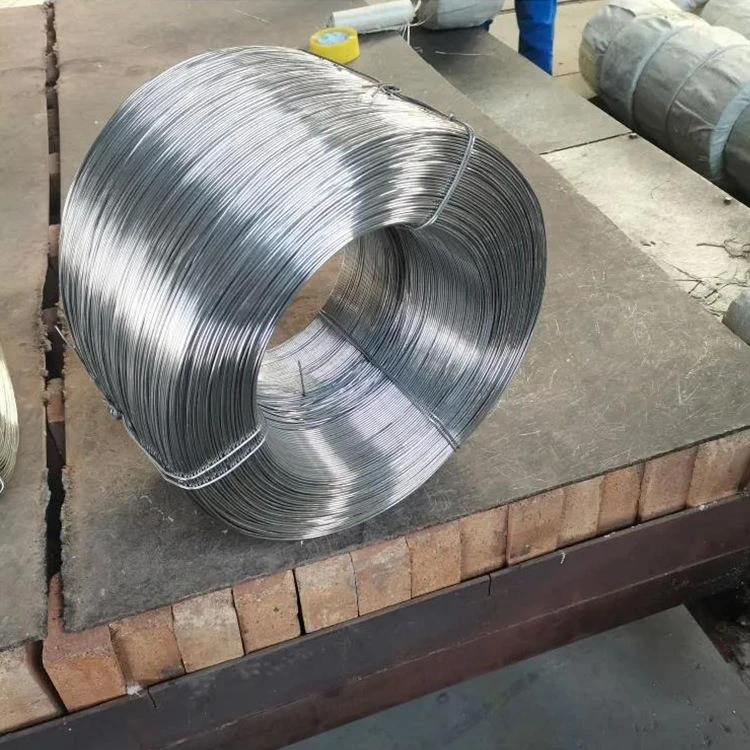
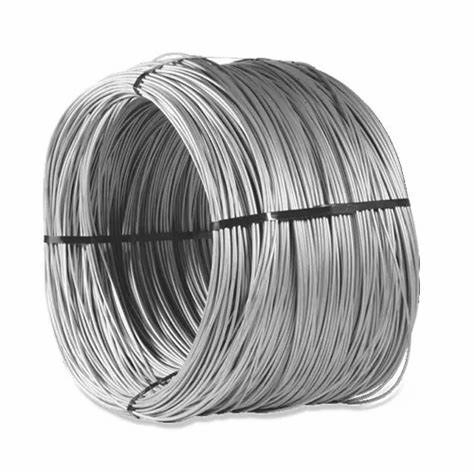
For reinforcement, fencing, netting, rope, packaging, or general manufacturing,carbon steel wire offers customized diameters and processing options such as bending, cutting, punching, welding, and decoiling. Listed material options include SAE1006, SAE1008, SAE1010, Q235, Q345, and SS400. Buyers should identify the required grade, diameter, tolerance, surface condition, tensile properties, and applicable BS, JIS, GB, ASTM, DIN, or AISI standard before ordering.

Where temperature, corrosion exposure, or specialized fabrication governs material choice,Inconel alloy wire serves a different sourcing need. Available alloy references include 600, 601, 617, 625, 718, and 750, with stated dimensions from 0.018 mm to 10 mm. Because these grades are not interchangeable, an inquiry should include the exact alloy, diameter, quantity, end use, inspection requirements, and requested price term.

Electrical cable requires another specification set
A flexible welding cable must be evaluated by conductor size, current demand, working voltage, flexibility, insulation, and ambient conditions. This round YH cable uses a bare copper conductor with EPDM insulation and sheath. Its stated operating range is -15°C to 65°C, and customization, OEM, and ODM options are available for welding-machine applications.
These products may sit within one specialty wire range, but each needs a purpose-built quotation. Send your drawings, standards, dimensions, quantities, destination, and packaging expectations to discuss suitable supply options and export pricing.