Compare galvanized binding wire, Monel alloy wire, and fiberglass-covered flat conductors for focused industrial sourcing.
Specialty wire sourcing begins with function, not appearance. A wire used to secure cable armor faces different demands from a corrosion-resistant alloy or an insulated winding conductor. Buyers should therefore compare substrate, dimensions, surface condition, operating environment, and applicable standards before requesting prices.
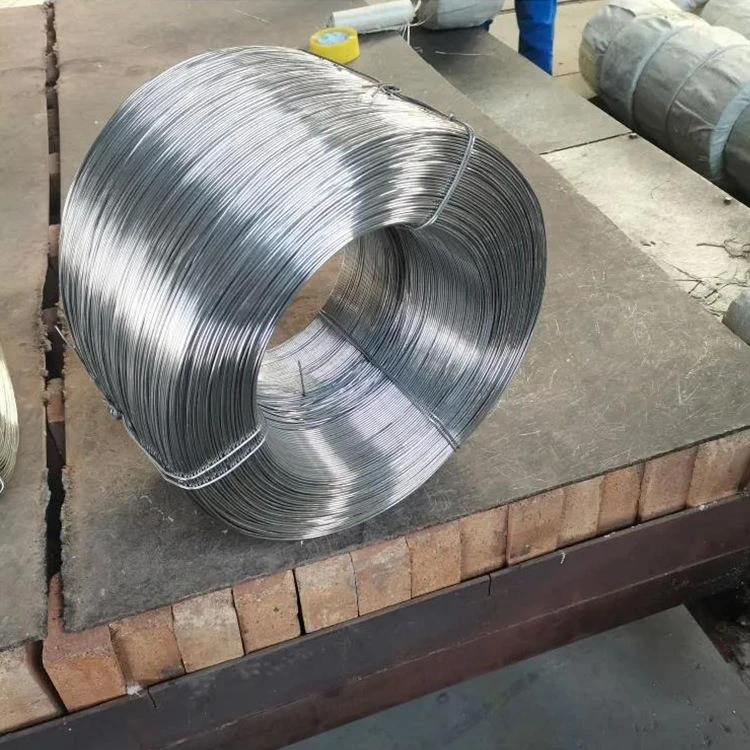
Match the Material to the Application
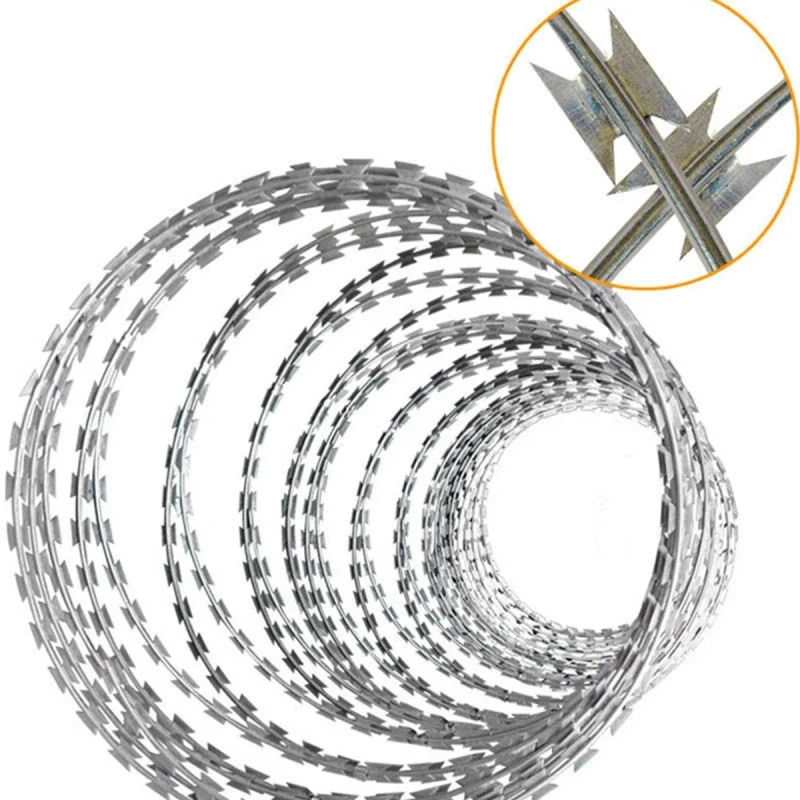
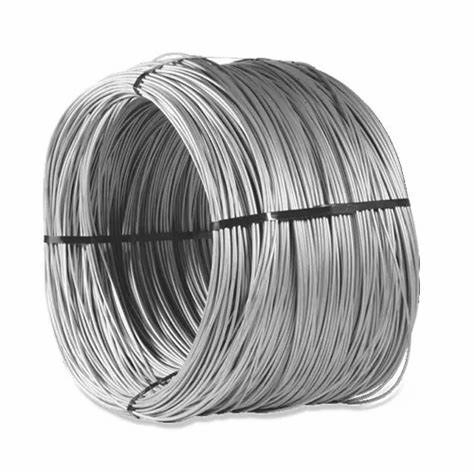
Galvanized binding wire is intended for fiber-optic cable armor and related binding requirements. Important purchasing details include the base metal, coating thickness, diameter tolerance, tensile properties, spool format, and packing method. Because the product description references both galvanizing and copper rod, confirming the precise material construction is essential before approval.
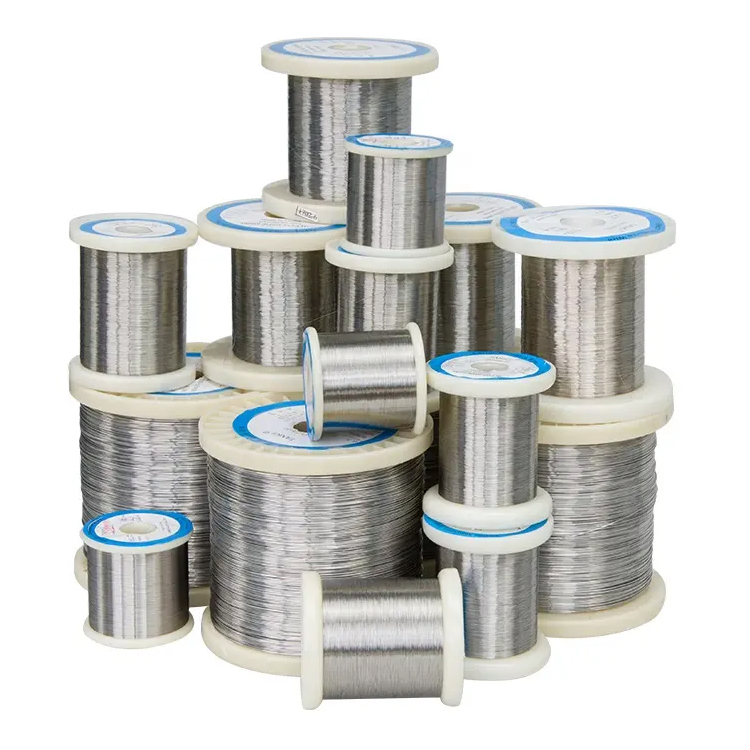
For chemical processing, marine equipment, valves, fasteners, and other corrosive environments,Monel alloy wire offers a different performance profile. Monel 400, identified as UNS N04400 or W.Nr. 2.4360, should not be treated as interchangeable with Monel K-500. Procurement documents should state the exact grade, ASTM requirement, diameter, temper, surface finish, inspection needs, and certification expectations.
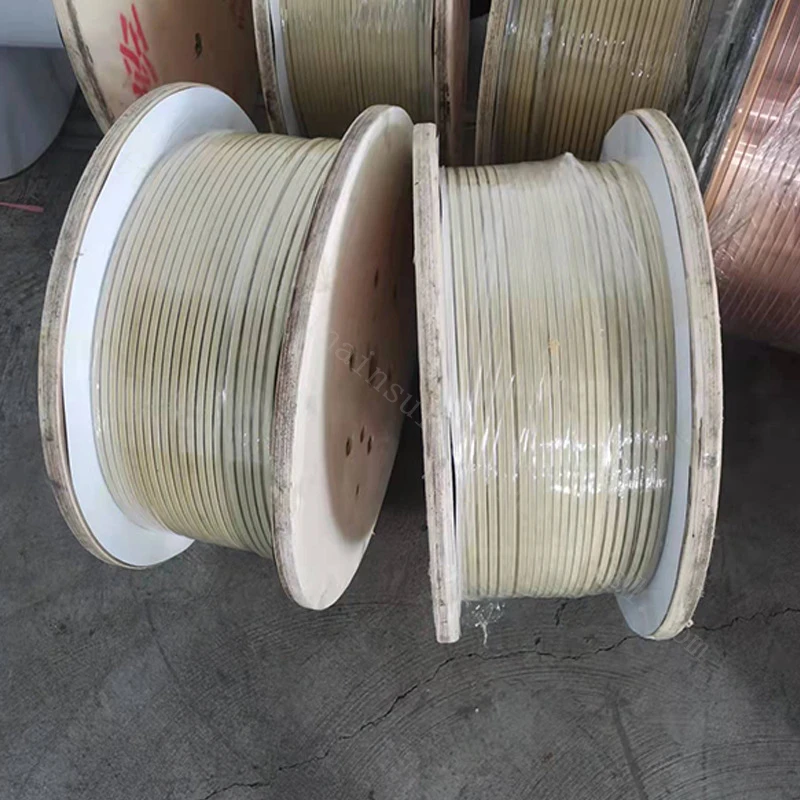
Specify Winding Conductors Carefully
Flat magnet wire combines a copper or aluminum conductor with fiberglass insulation for transformer, motor, heating, and other electrical winding applications. Its rectangular profile can support compact winding designs, but buyers must define width, thickness, corner geometry, insulation build, temperature class, electrical requirements, and acceptable dimensional tolerances.
These products solve distinct engineering problems, so a useful inquiry should include drawings, target standards, order quantity, testing documents, packaging preferences, and destination. Clear specifications help manufacturers assess feasibility and prepare a relevant quotation without unnecessary delays.